

 By Staff Report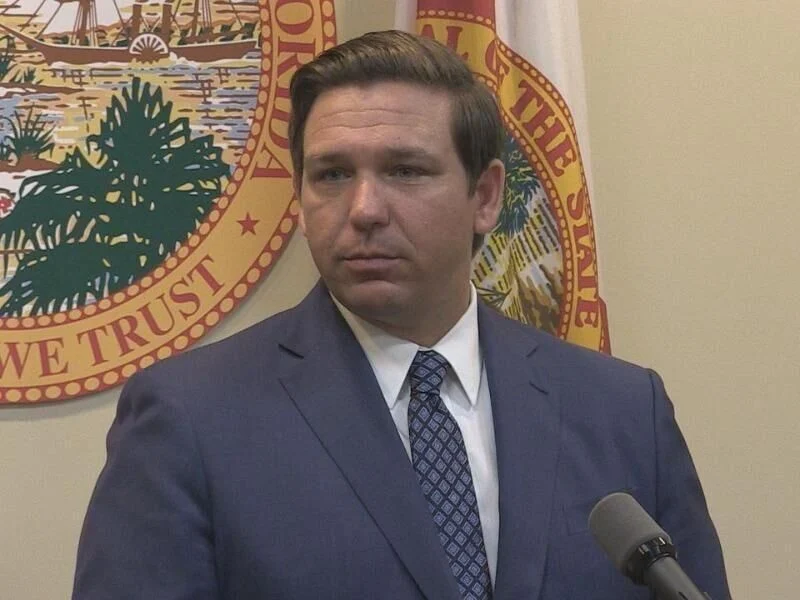
Felons convicted of violent and sexual crimes will not be released prior to sentencing under a bill signed by Gov. Ron DeSantis on Tuesday.
The bill (HB 455), known as “Missy’s Law,” is named after Melissa “Missy” Mogle, a 5-year-old Tallahassee girl allegedly killed by her stepfather, Daniel Spencer, last year while he was awaiting sentencing on an unrelated charge of attempting to meet a minor for sex.
Before signing the measure during a ceremony in Tampa, DeSantis called on the House to impeach 2nd Judicial Circuit Court Judge Tiffany Baker-Carper, who had released Spencer pending sentencing.
“To my friends in the Florida House of Representatives, I don’t think what you’ve done is enough,” DeSantis said. “Until you start holding these judges accountable, they’re going to continue to find ways to benefit the criminal element. This was an outrage.”
Authorities say Spencer abused and killed Mogle in May 2025 while he was out on bail. He has been charged with first-degree murder.
The new law requires judges to immediately remand individuals found guilty of dangerous crimes into custody pending sentencing or further proceedings, without the possibility of release on bond.
Mogle’s family attended the bill signing, along with the signing of another measure (HB 1159) that replaces the term “child pornography” with “child sexual abuse material” in Florida law.
“Any time you do legislation like this, it’s obviously bittersweet because a tragedy leads to the impetus to do something,” DeSantis said. “You reflect on that and see the pain of the family, but also know that you’ve done something about it and in the future this isn’t going to happen to another 5-year-old girl. The state of Florida is safer as a result of this.”
Baker-Carper was elected in 2020, defeating Tallahassee attorney Amanda Wall by a 58-42 percent margin. If she is impeached or resigns, DeSantis would appoint her replacement.
Under the state Constitution, the House has the power to impeach judges with a two-thirds majority vote. Republicans hold a supermajority in the House, with an 85-34 advantage over Democrats.
Impeachments of judges are rare, though the threat can carry significant weight.
In 2017, the House took initial steps toward impeaching two judges — 4th Judicial Circuit Court Judge Mark Hulsey and 3rd Judicial Circuit Court Judge Andrew Decker III — by scheduling inquiries into their conduct.
Hulsey was accused of making racist and sexist remarks from the bench and resigned before his hearing. Decker was accused of a conflict of interest involving legal representation prior to becoming a judge. He was suspended for six months by the Florida Supreme Court but was not impeached.
 AMBER PATINO